
















Step 1: Confirm device interfaces and protocols
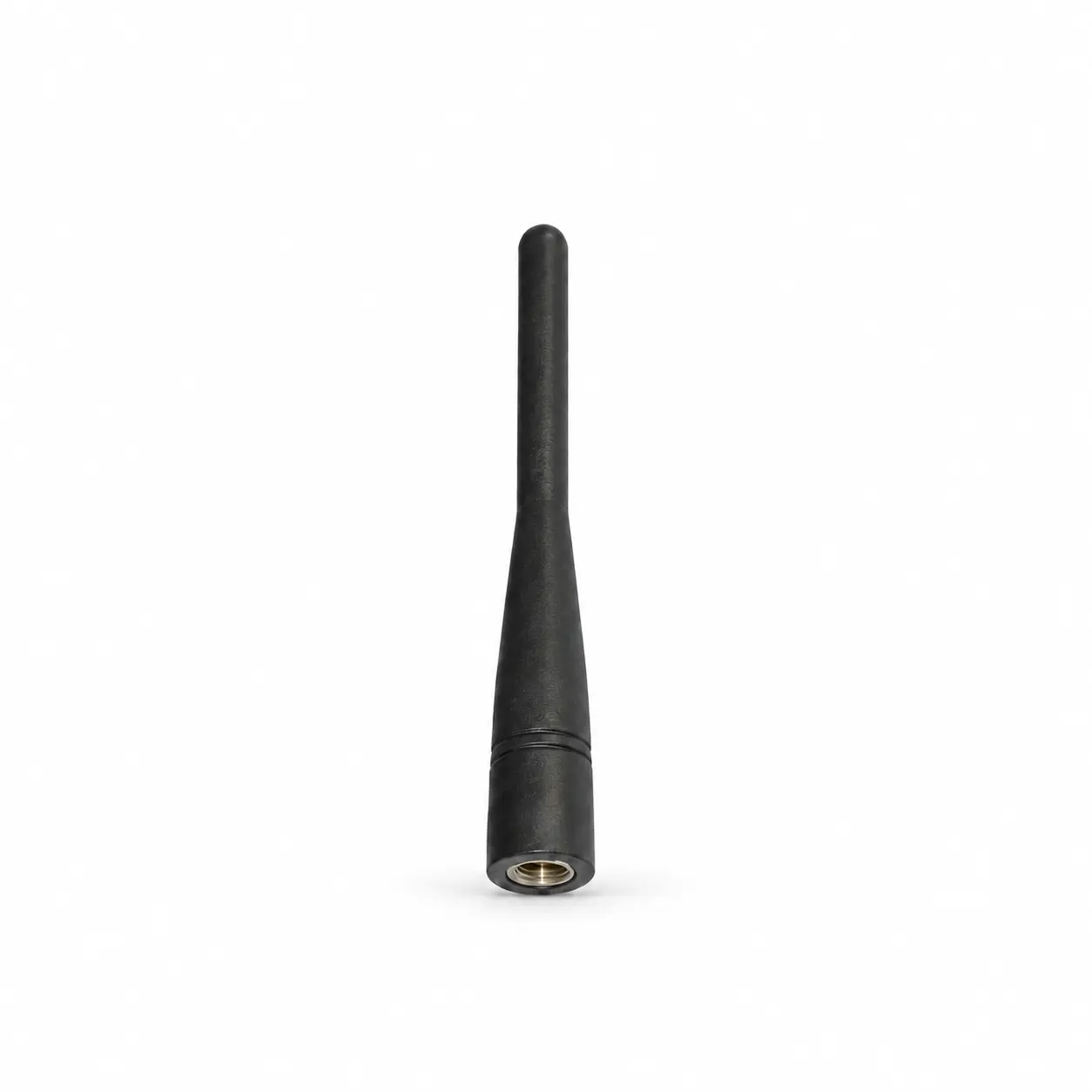
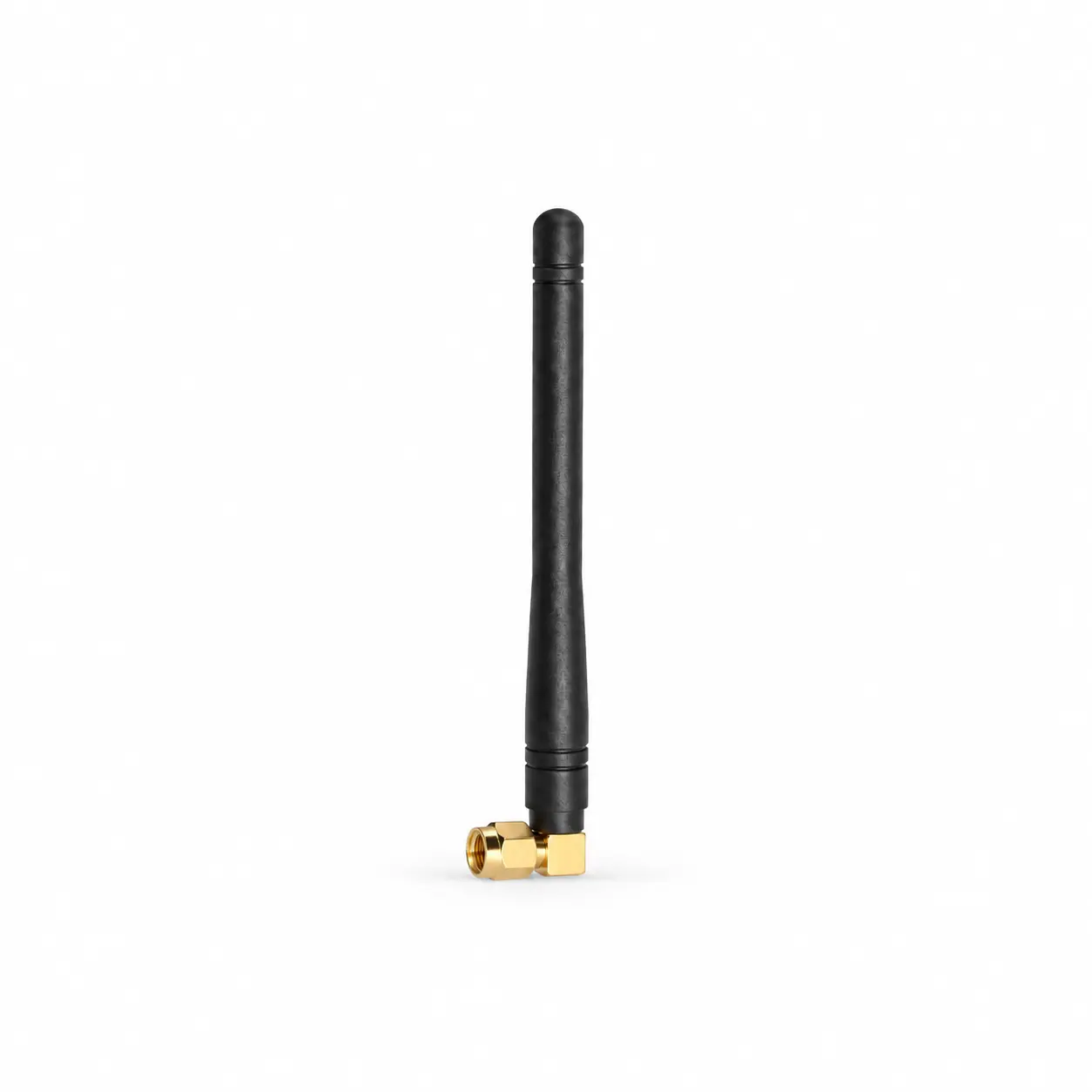
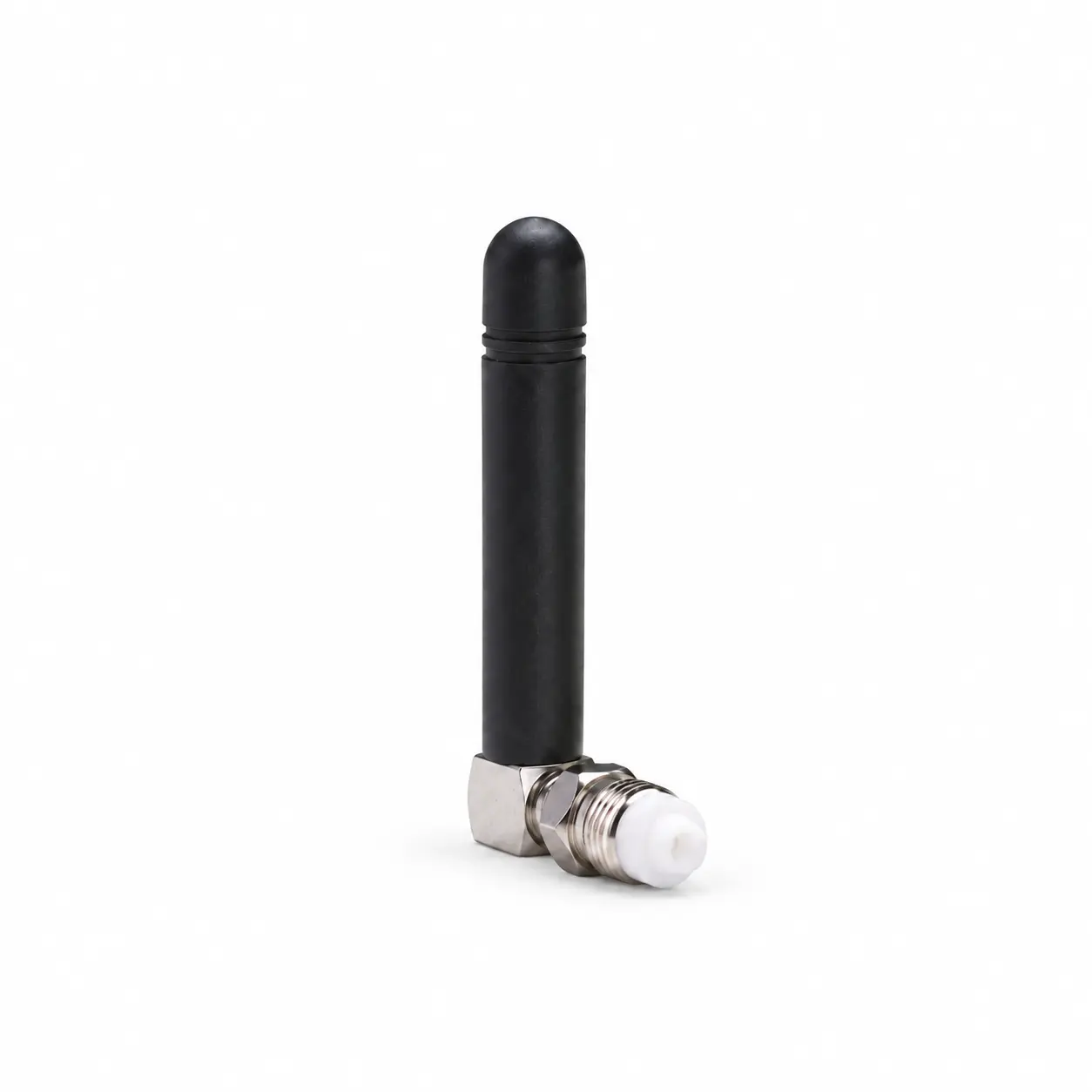
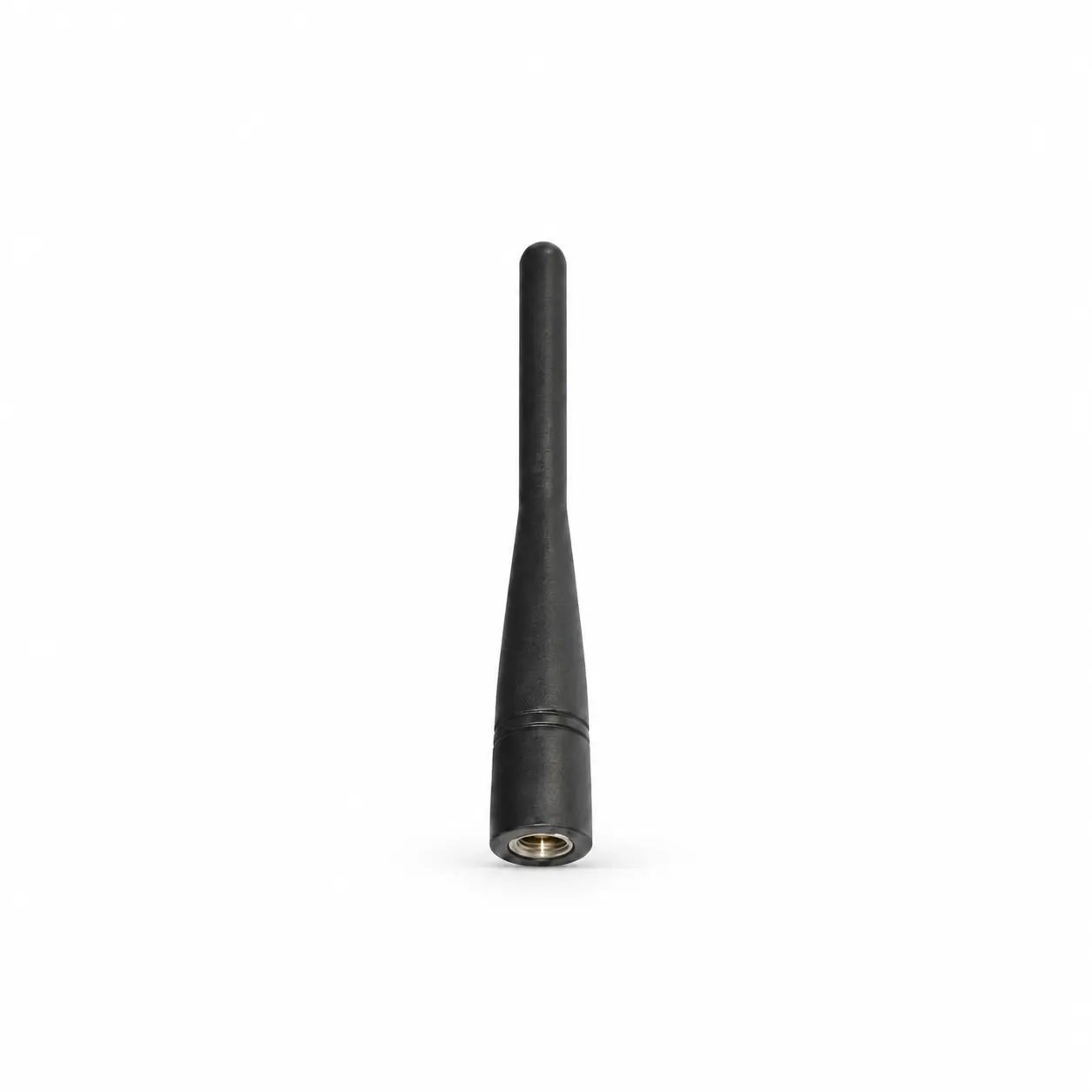
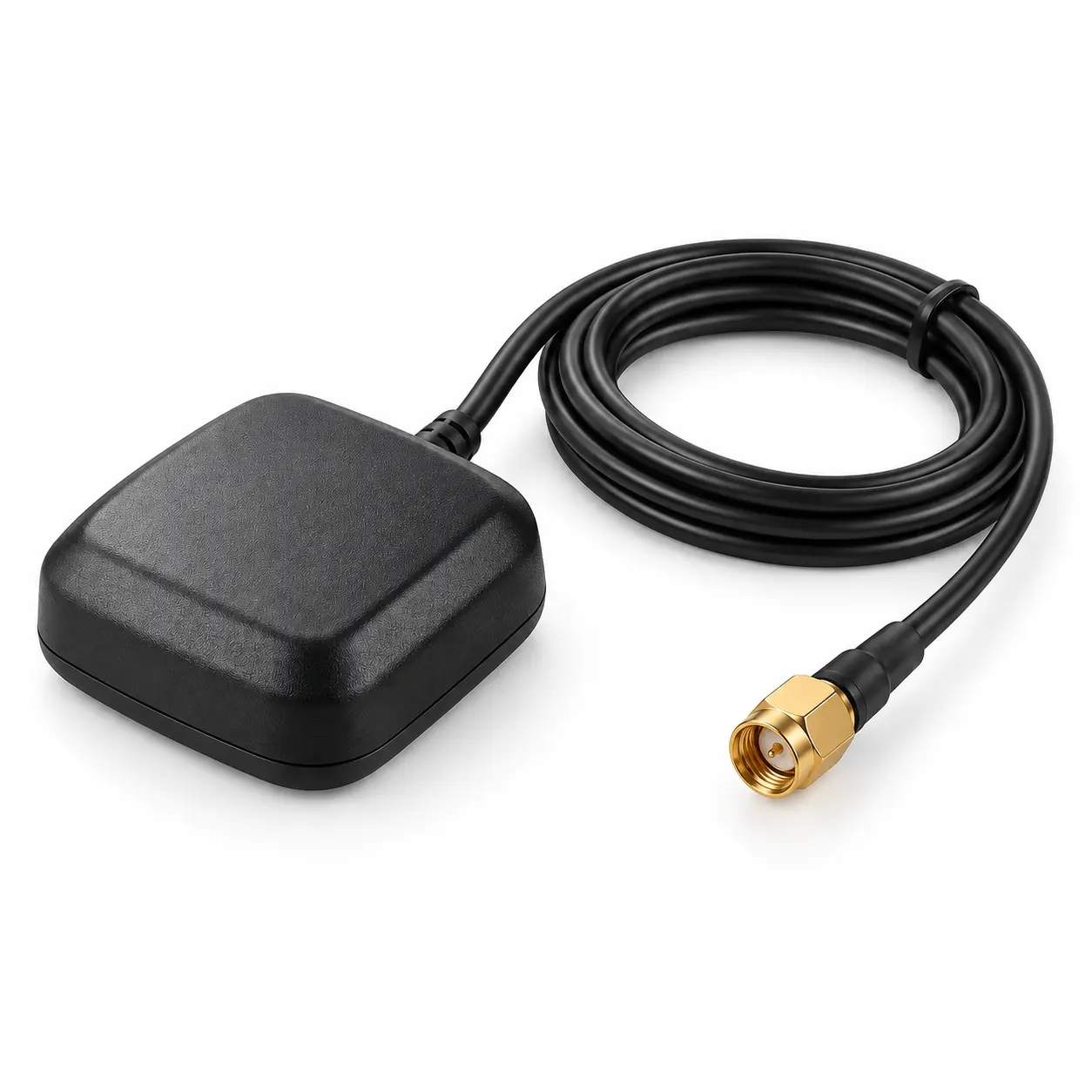
Before selecting an antenna, it is essential to determine which wireless protocols (Wi-Fi 6, 4G, 5G, LoRa, Bluetooth, etc.) your device supports and its physical interface type. Common interfaces include SMA, RP-SMA, IPEX, N-Type, etc. If the interface is mismatched, the antenna cannot be installed.

Step 2: Determine the operating frequency band
The operating frequency band of the antenna must be consistent with the device frequency band. For example, a 2.4GHz antenna cannot be perfectly used in the 5GHz frequency band, and vice versa. Nowadays, many devices support dual-band or tri-band, so choosing a wideband antenna or multi-band antenna is crucial.
Step 3: Select antenna type according to the usage environment
Indoor vs Outdoor
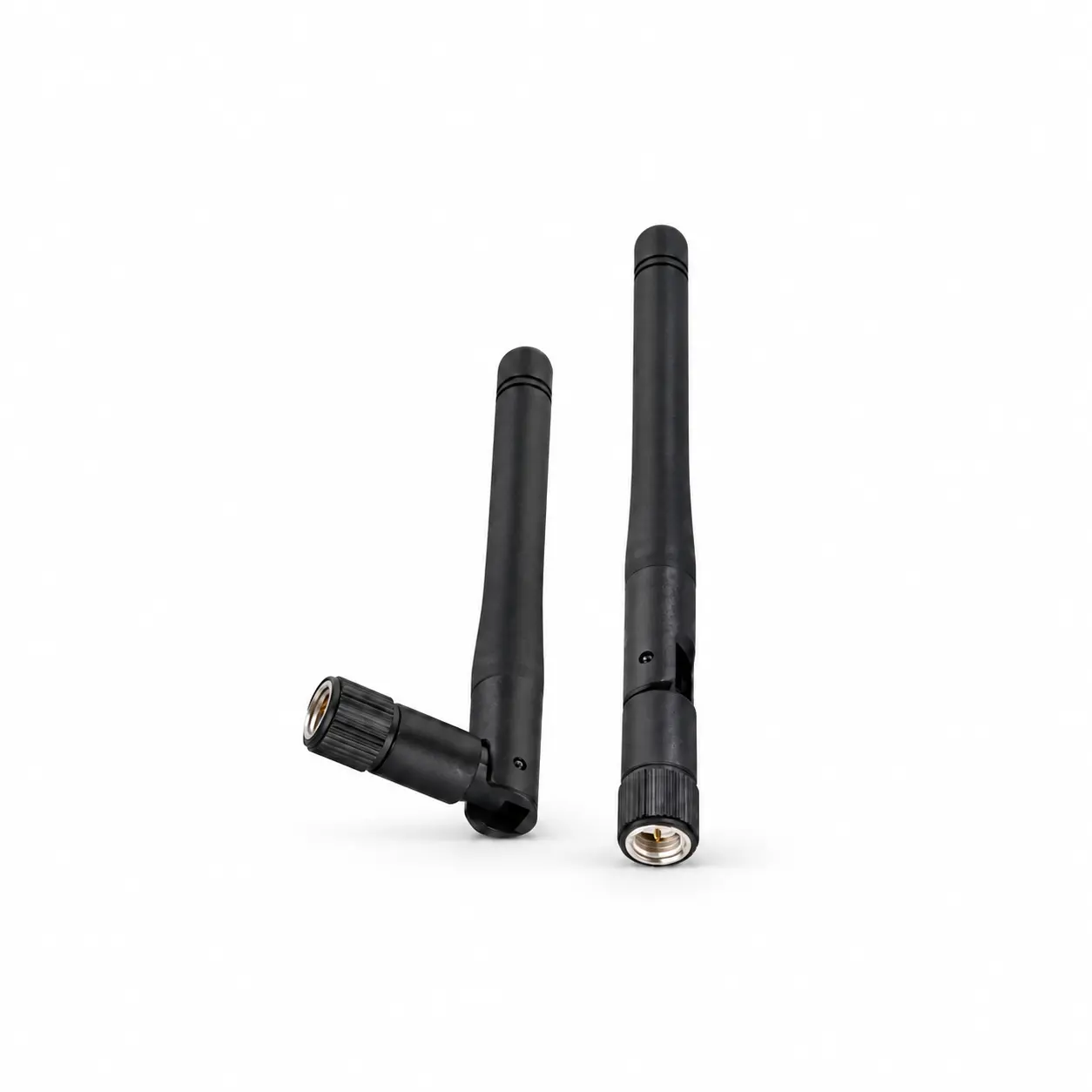
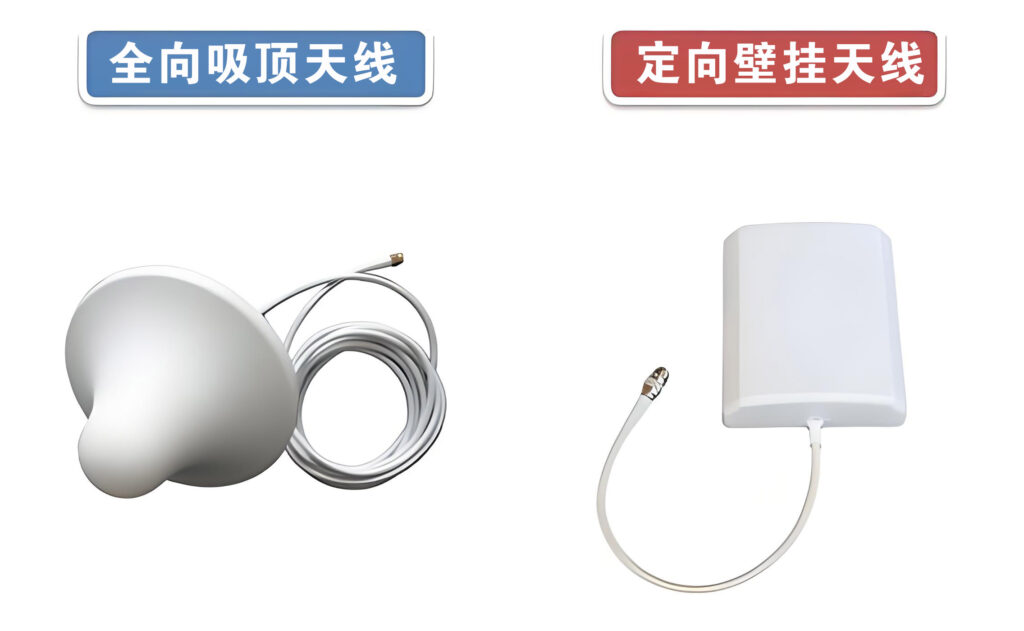
Indoor antenna: Typically small in size and exquisite in appearance, such as the omnidirectional antenna commonly used in routers, providing 360-degree signal coverage.
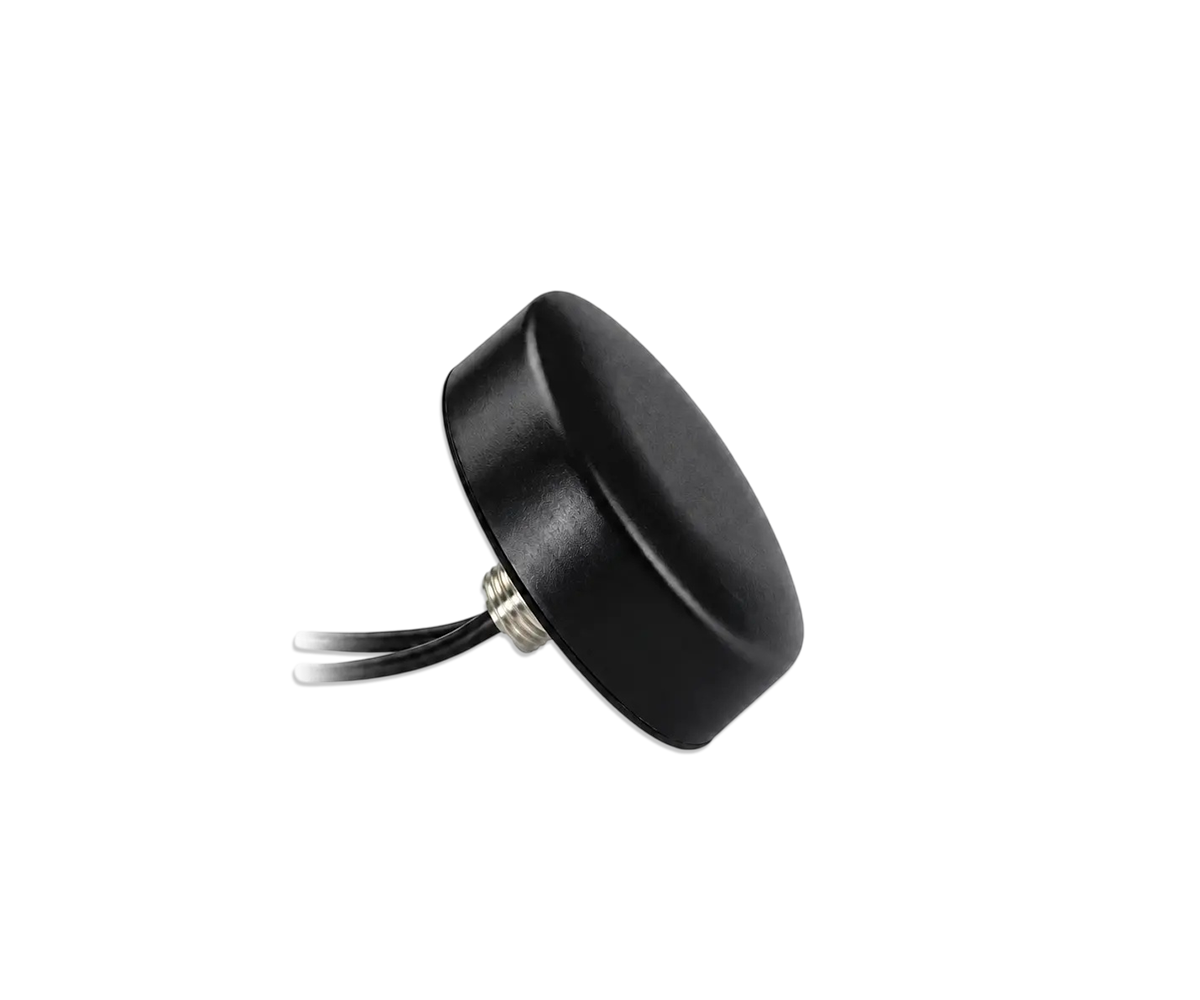
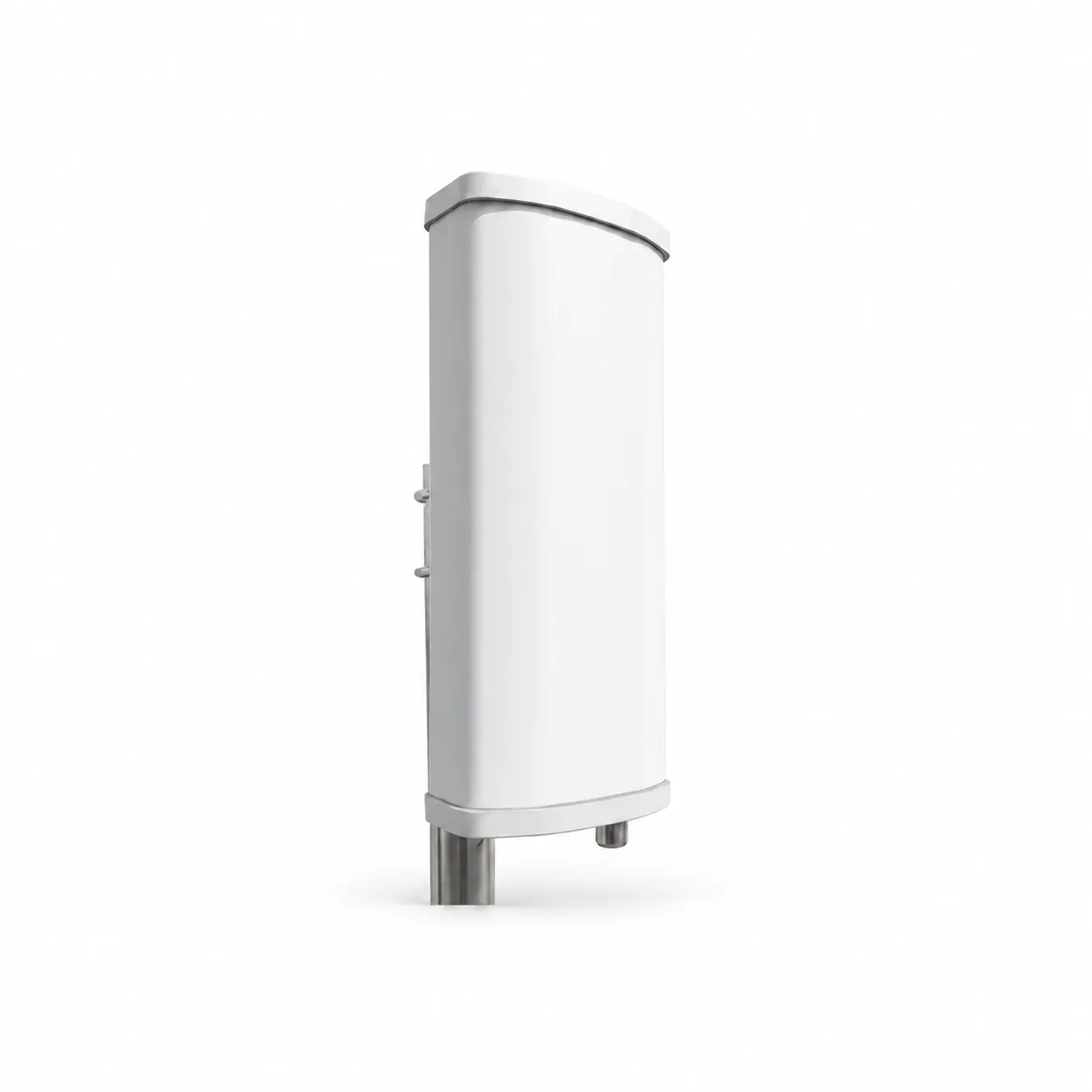
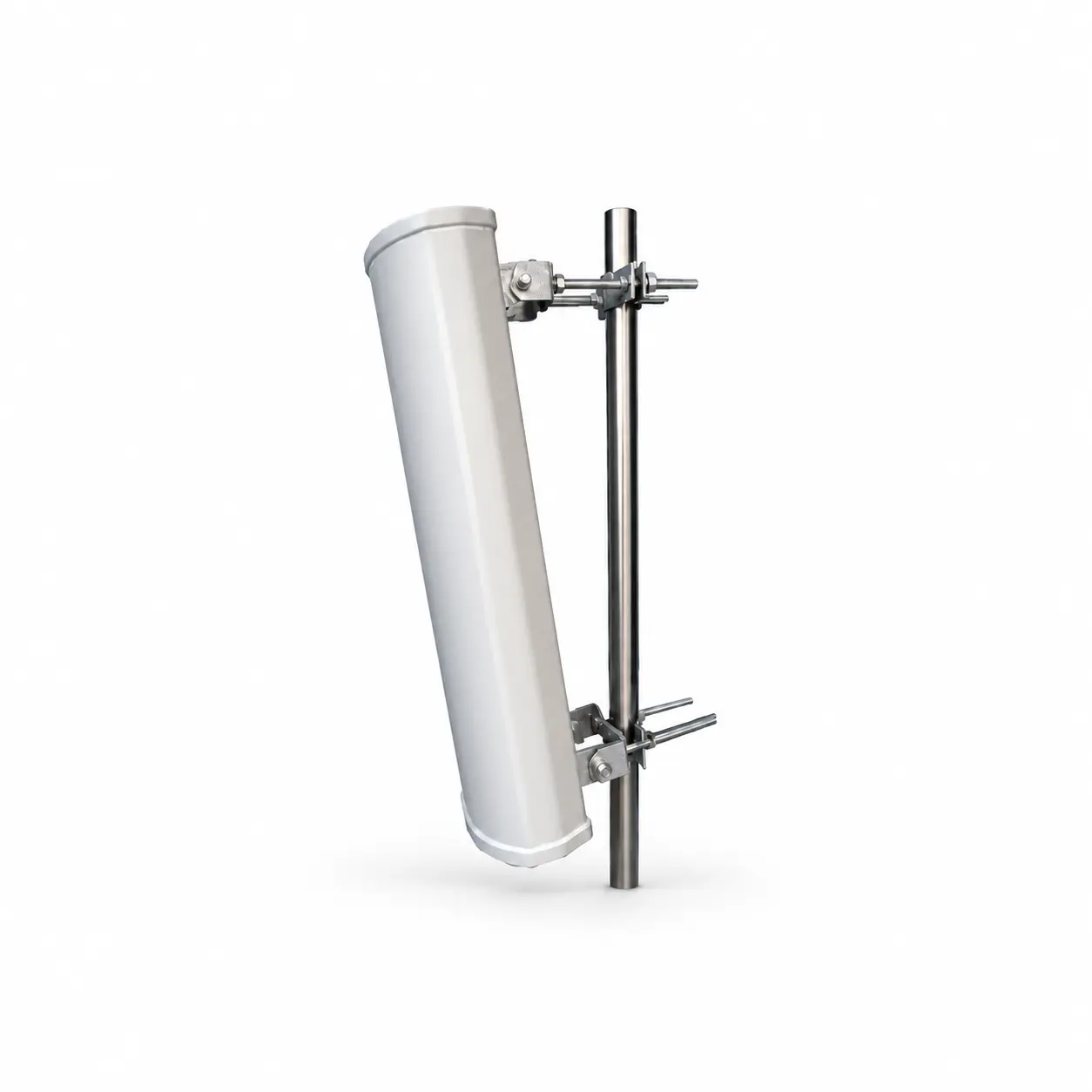
Outdoor antenna: It must be waterproof, dustproof, and UV-resistant. If the equipment is installed outdoors, an outdoor antenna with a waterproof casing must be chosen.
Omnidirectional vs Directional
Omnidirectional antenna: suitable for mobile devices or scenarios where signals are required in all directions, such as home Wi-Fi.
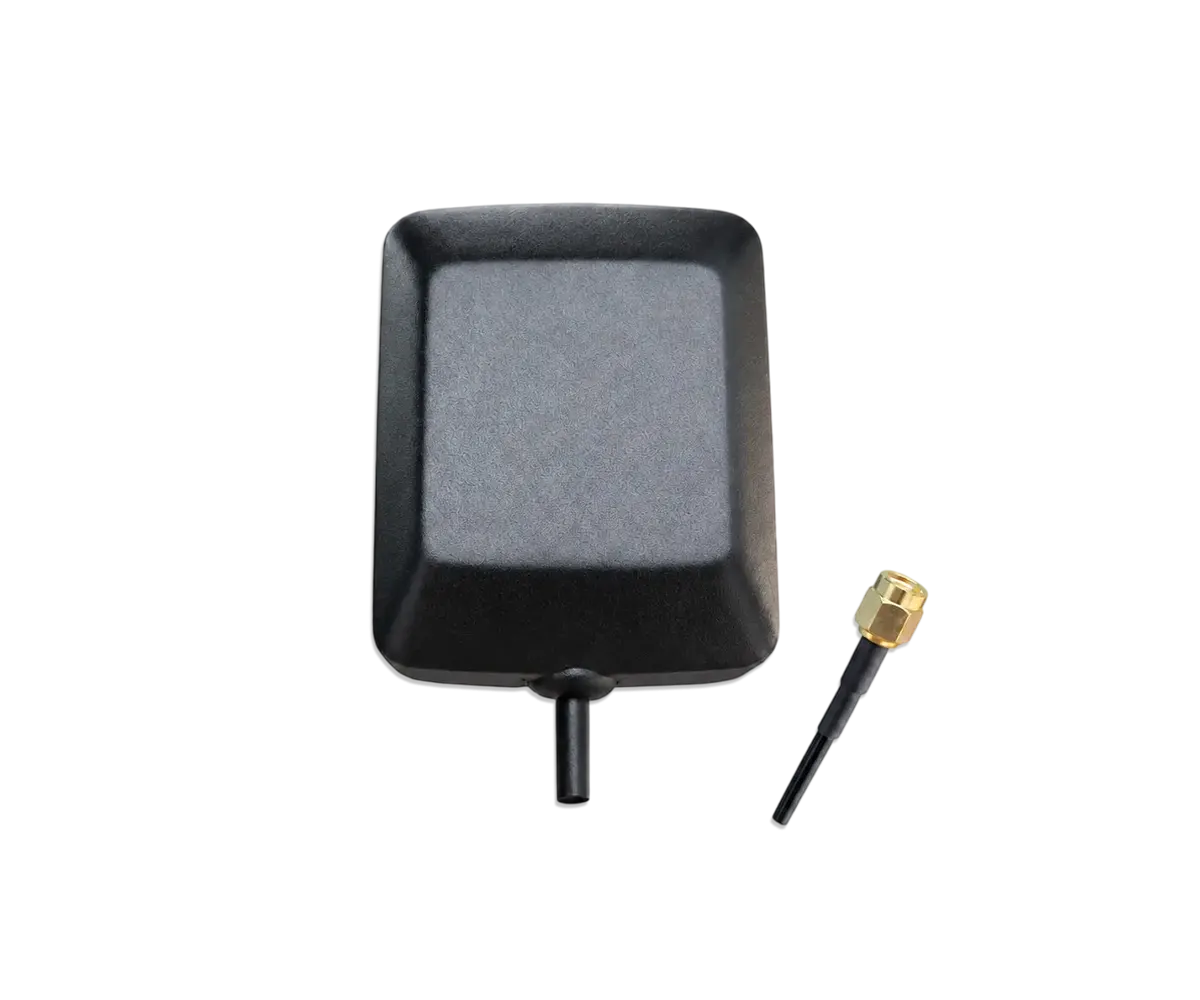
Directional antenna: Suitable for point-to-point transmission, such as bridging between two buildings. It can focus the signal in one direction, allowing for longer transmission distances.
Step 4: Pay attention to antenna gain
Antenna gain is an indicator to measure the signal amplification capability of an antenna, with the unit of dBi. The higher the gain, the farther the signal transmission distance, but the narrower the beamwidth.
High-gain antenna: suitable for long-distance transmission, but attention should be paid to the verticality of installation.
Low-gain antenna: suitable for close-range, multi-angle coverage.
Step 5: Consider polarization method
The polarization modes of antennas are typically categorized into vertical polarization and horizontal polarization. To achieve optimal communication performance, the polarization modes of the transmitting antenna and the receiving antenna should be consistent. If one is vertically polarized and the other is horizontally polarized, signal loss will be significant.
Summary
How to choose an antenna suitable for your device? In summary, there are four steps to consider the parameters:
Check the interface: Ensure the physical connection is correct.
Check the frequency band: Ensure frequency matching.
Consider the environment: choose indoor/outdoor, omnidirectional/directional.
Consider the gain: Choose based on the distance to be covered.